Showing posts with label Noongar people. Show all posts

Saturday, May 30, 2020

It Feels LIke Makuru Has Arrived

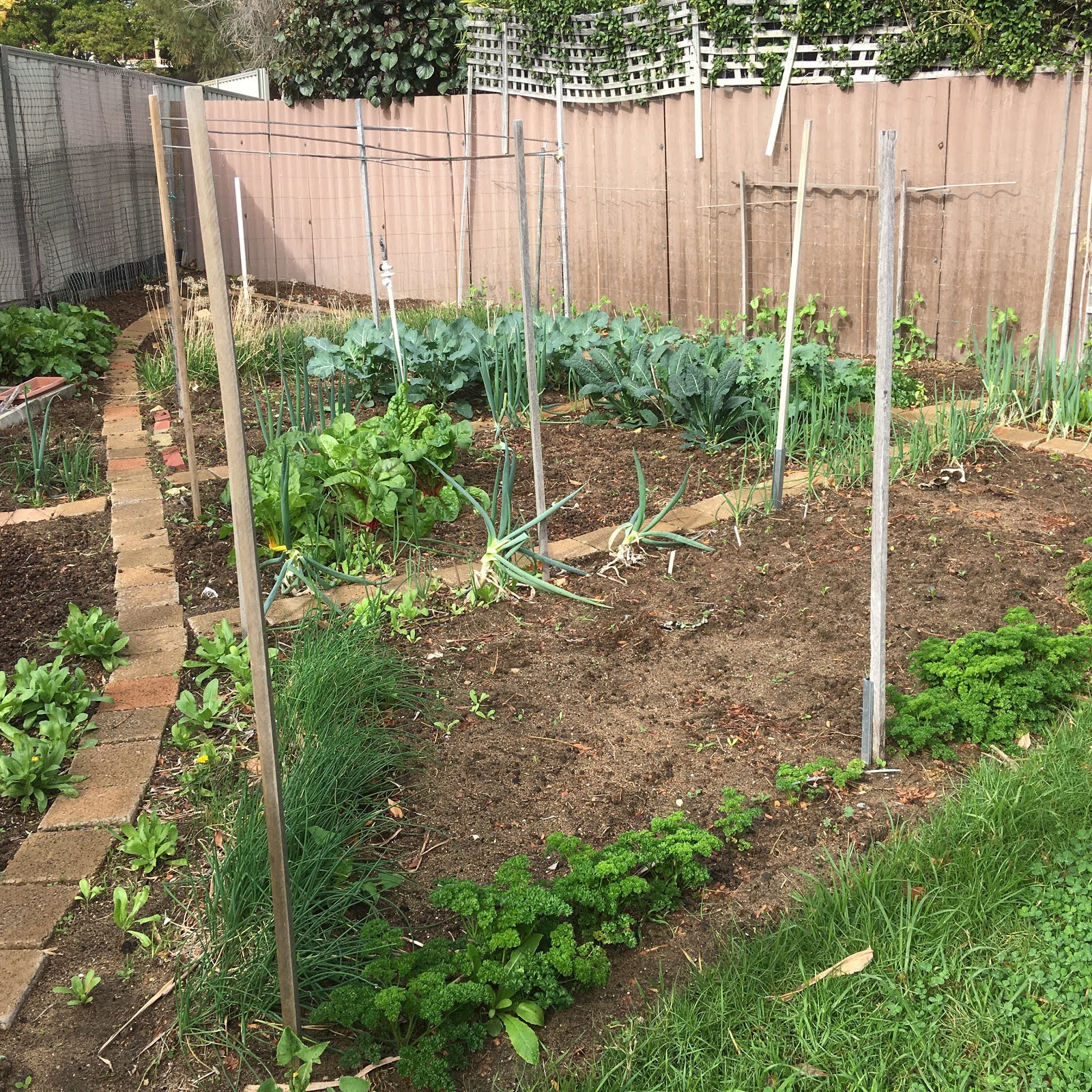
Makuru is the Noongar name for the season which covers June and July here in Western Australia but while it's technically not June for a few days another storm front has just barrelled down on us. This makes me think we're already into Makuru, which the Noongar people, the first inhabitants of this area, say is the season of the first rains among other things.  Fortunately this front was not as severe as the last one but it was the third to hit in just a few weeks so things have been getting quite a battering. The good thing about this is we're getting some much needed rain. The bad side is we're getting it largely along with strong, and in some cases very strong, winds, but as you can see from the photo the garden is still doing pretty well.


The forecast yesterday was for rain, mostly in the afternoon and evening, so before it arrived I raced to the veggie garden to plant out as many seedlings as I could. The punnets they were in had been being brought in and out of the shelter of the veranda to avoid them being drowned or washed away for much of the last week and they were well overdue for putting into their permanent homes. Don't let the apparently bare spots in the photo fool you. Except for the bit in the middle at the front and along the right hand side fence at the back, both of which beds are reserved for seedlings not yet ready to transplant, the rest of the garden is planted out. The plants are simply too small to show up on the photo.

All this activity means that along with spring onions (the straggly ones have been left to go to seed), nasturtiums, broccoli, kale, beetroot, lettuce and rainbow chard (all of which are already being picked), together with red onions and sugar snap and snow peas - you can see them well on their way up the fence, I now have two kinds of pak choi, choy sum, tatsoi, more lettuces and more beetroot. Still not quite ready to plant out are brown onions, leeks and some romanesco broccoli - these three I got as freebies from Diggers Nursery and have never tried to grow before so that will be interesting - plus dill, nigella, calendula and yet more lettuce.

Today's forecast was for showers and it's expected to continue that way for the rest of the long weekend. This is a bit grim for those taking advantage of the lifting of some travel restrictions to head south for the break but for me it's good news with my plantings off a good start. It also means I probably should take advantage of any sunny breaks to put in some more more seeds and at least try to keep up a succession of new plants coming on - not one of my strong points. I really should invest in some bug control measures, too. Last year many of my brassicas were wiped out by whitefly, not something I want to happen again. I use poisons so it's time to get online and do a spot of ordering of organic controls I guess. Wish me luck.

Wednesday, April 30, 2014

Zamia Palm - A-Z Blog Challenge

These are photos of some other plants from the local park. They are known as zamia palms although they are not a palm at all.


The zamia palm (Macrozamia riedlel) is a Western Australian plant although there are other members of the cycad family in other parts of the country. With its crown of upright, glossy, dark green fronds it's handsome, isn't it. Relatively small for a cycad (those in the park are only around 3 metres high) it makes an attractive garden plant.

Mainly found growing on laterite soils as part of the understorey of in the jarrah forest, the zamia fruit was a very important part of the diet of the local Noongar people but, because like other cycads it is toxic, it requires careful and lengthy preparation to make it fit to eat. Called jeeriji by the Noongar, the zamia produces its pineapple like fruit during the Noongar season of Bunuru (February - March) when the people moved to the coastal areas to fish for mullet and mulloway. Conveniently, this also gave them time to process the fruit so they could eat the rich, oily seeds later in the season of Djeran (April and May) and build up their strength for the cold weather to come. There's a lot of interesting information on how bush tucker aligned with the seasons here.

As a complete digression, talking about Noongar seasons makes me wonder why we have never used them instead of the completely inappropriate Northern hemisphere seasons which seem to have little relationship to the actual weather here.

Back to the zamia palm. Some early explorers (one was Willem de Vlamingh) who ate the unprocessed fruit became ill as did some the first European settlers. As well when they arrived with their sheep and cattle they experienced stock losses due to "zamia staggers", a form of poisoning when the animals grazed on the plants. Yet another piece of a steep learning process for all, I guess.


Saturday, April 26, 2014

Willy Wagtail - A-Z Blog Challenge


One of these delightful little birds claims our yard as part of his territory and I've been trying to get a photo but he's not easy to catch.                                      


Willy wagtails - Rhipidura leucophrys - are one of the fantails and they are sprightly, energetic little birds. With their black backs and white fronts they could be wearing tuxedos and they strut around, wagging their behinds, tails fanned upright. Since they are only between 19-21 centimetres (7 ½ - 8 ½ inches) in length you might expect them to be like so many other small birds, most of which are shy and retiring. Nope, not the willy wagtails. Apparently completely fearless, they'll take on anything. I've seen a pair of them dive bomb a raven (more than twice their size) and drive it off. They'll swoop any cat foolish enough to enter their territory too and apparently this noisy little bird is seriously intimidating because they - the cats that is - take off over the fence at speed. I've even watched willy wagtails stand in the middle of the road as a car bears down on them, facing it and chattering loudly until the last moment when they lift off only to keep on scolding from the side of the road.

If you're lucky enough to have one - or a pair - sharing your garden they'll supervise you when you're working, often darting down to grab an insect you disturb, which is pretty useful. Our little resident loves bathing in the bird bath and showering in the sprinkler, too.

Willy wagtails are very important in Aboriginal culture. The indigenous people from the south west area of Western Australia, the Noongar people (although you'll find many spelling variations), have many stories about the willy wagtail as do other Aboriginal  people. The Noongar name for it is djidi djidi or jitti jitti. It's very appropriate because it's a common sound they make although they also flute and sing. There's a comprehensive coverage of sounds here.

All in all they are engaging little birds and I for one find them fascinating.

.